Founder & Mobile Growth Strategist

Founder & Mobile Growth Strategist

Another month, another set of platform shifts that app marketers can't afford to ignore. In September 2026, Apple tightened its grip on tracking permissions and App Store economics, Google recalibrated how budgets pace and how store listings display, and AI platforms became a measurable discovery channel for the first time. Together, these changes will shape Q4 planning for anyone running paid acquisition or ASO.
This is the September edition of the Scalebay app growth digest: eleven updates, each explained with what it means for your app growth strategy.
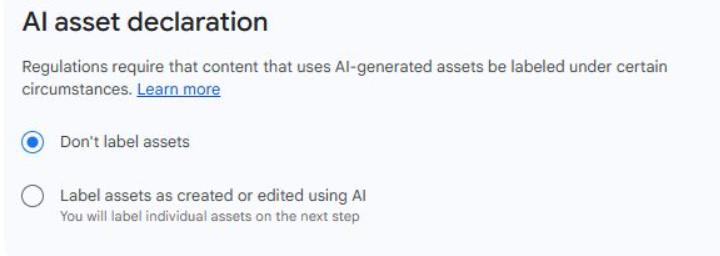
Google Ads has added a new declaration step for advertisers: you now have to state whether an ad asset was created or edited with artificial intelligence. The change responds to regulations that require disclosure of AI-generated content in certain circumstances. Advertisers can choose between "Don't label assets" and "Label assets as created or edited using AI", and can apply the label at the individual asset level in a follow-up step.
For app marketers, this is a workflow change more than a performance one. Agree internally which creatives count as AI-edited, document it, and make the declaration part of every launch checklist so nobody guesses at upload time.
[Screenshot: image1.png – Google Ads AI asset declaration step]
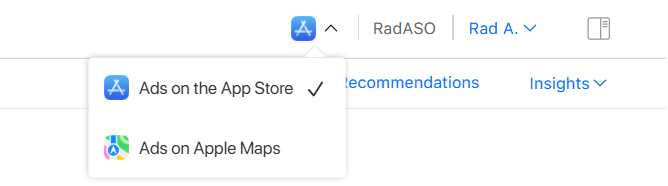
Apple has updated its Ads dashboard so advertisers can switch between campaign types from a single dropdown instead of moving between separate platforms. The new toggle lets you jump between "Ads on the App Store" and "Ads on Apple Maps" from one account view.
If you already run Apple Ads, this is the moment to at least look at Maps as an additional surface, especially for local, travel, mobility and food apps where the user's intent is tied to a place.
[Screenshot: image2.png – Apple Ads campaign-type toggle]
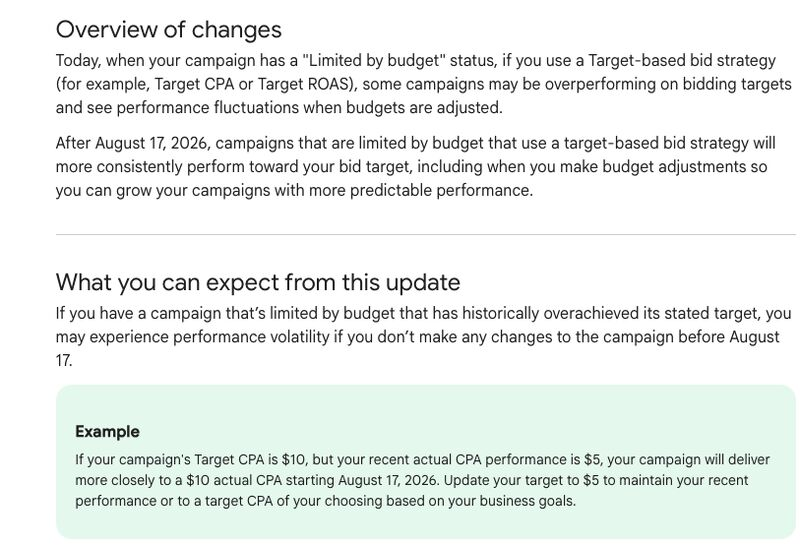
Google has changed how budget-limited web campaigns using Target CPA or Target ROAS bidding behave. Previously, campaigns with a "Limited by budget" status could overperform against their bidding targets, which caused performance swings every time a budget was adjusted. Since 17 August 2026, Google may spend more of the allotted budget when the Target CPA you set is higher than the actual CPA, pushing campaigns to deliver closer to the stated target, even if that means a higher cost per conversion.
The change applies only to web campaigns and does not extend to App Campaigns. Still, many app advertisers run web-to-app or lead-generation campaigns alongside their App Campaigns, so review the Target CPA on every budget-limited web campaign: a target set generously "to give the algorithm room" will now actually be spent.
[Screenshot: image3.png – Google announcement on budget pacing]
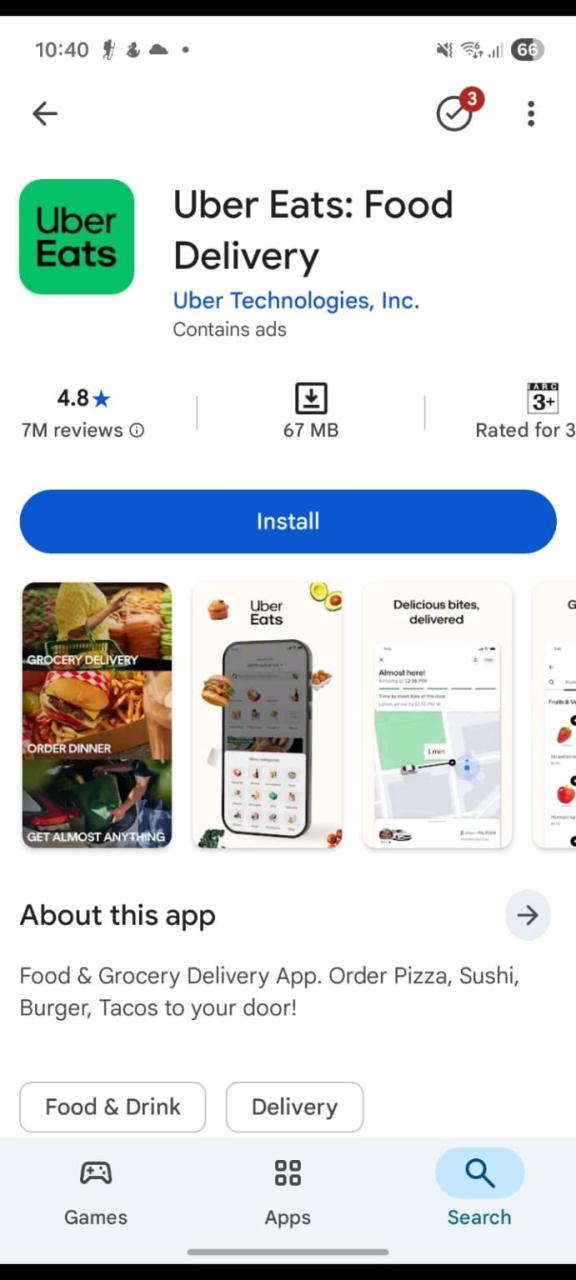
An update currently appearing on Google Play listings shows the short description and portrait screenshots in a noticeably larger format. As a result, users browsing a listing now see only the first two screenshots at a glance, compared with roughly three and a half before. The larger format seems to apply only when portrait screenshots are the primary visual asset; listings that pair a landscape video with portrait screenshots still display them at the standard size. It is not yet clear whether this is a permanent change or an ongoing A/B test.
Either way, the weight on your first two screenshots just went up. If your value proposition only becomes clear on screenshot three, it is time to re-sequence, and to A/B test the new order with a store listing experiment.
[Screenshots: image4.png and image5.png – Google Play listing, new vs. previous screenshot size]
Apple has published official templates for the product page header and the search results assets that launch this autumn, giving developers a head start on preparing compliant creative before the rollout. Templates are available for Figma, Photoshop and Pixelmator, and cover both the header banner and the search results placement across a range of app categories.
These are new above-the-fold placements on the App Store. Brief your design team now so the assets are ready on day one rather than weeks after competitors.
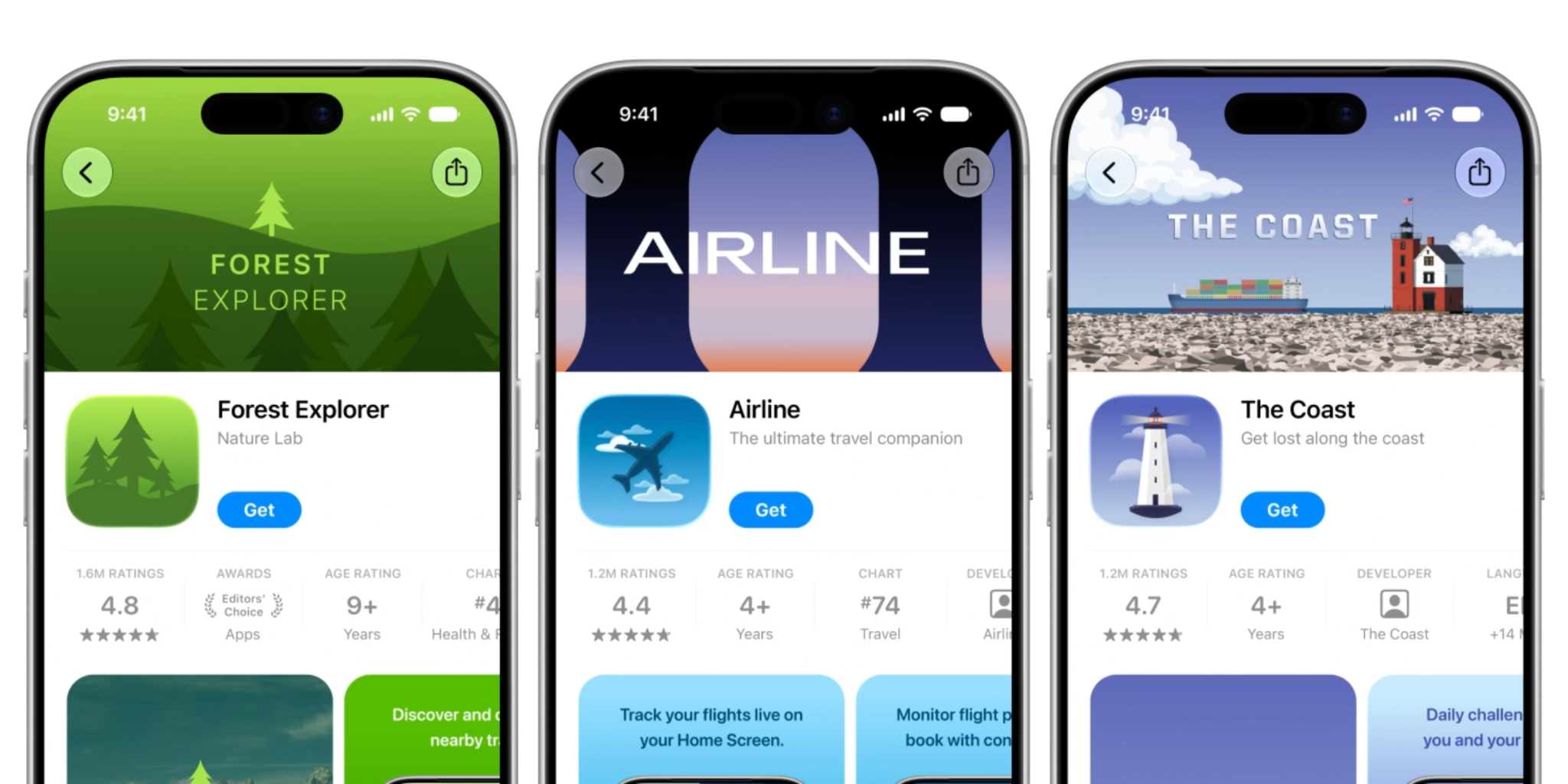
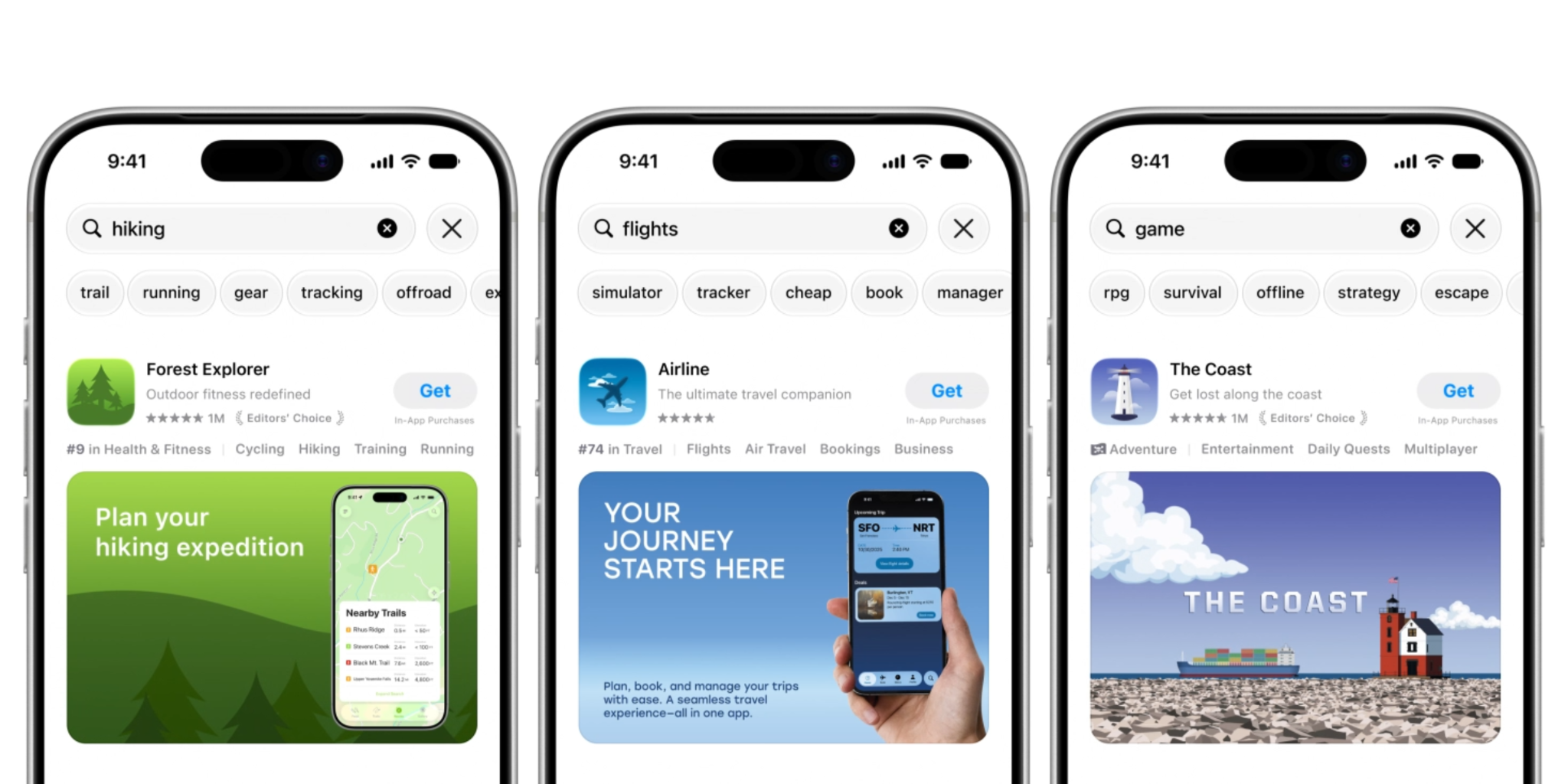
[Screenshots: image6.png and image7.png – Apple header and search results templates]
Watch: product page header preview · Watch: search results asset preview
The latest version of Google Play Console lets you run Custom Store Listing experiments aimed specifically at lapsed and churned user segments. Within the "User state" targeting menu you can now choose between "Lapsed and churned users" (uninstalled the app or haven't opened it in the last 28 days), "Lapsed users" (haven't opened the app in 28 days) and "Churned users" (have uninstalled the app).
This closes a gap between ASO and CRM. Re-engagement campaigns can now land on a listing that speaks to someone who already knows the app, with a "what's new" angle instead of a first-install pitch, and you can measure whether it converts better.
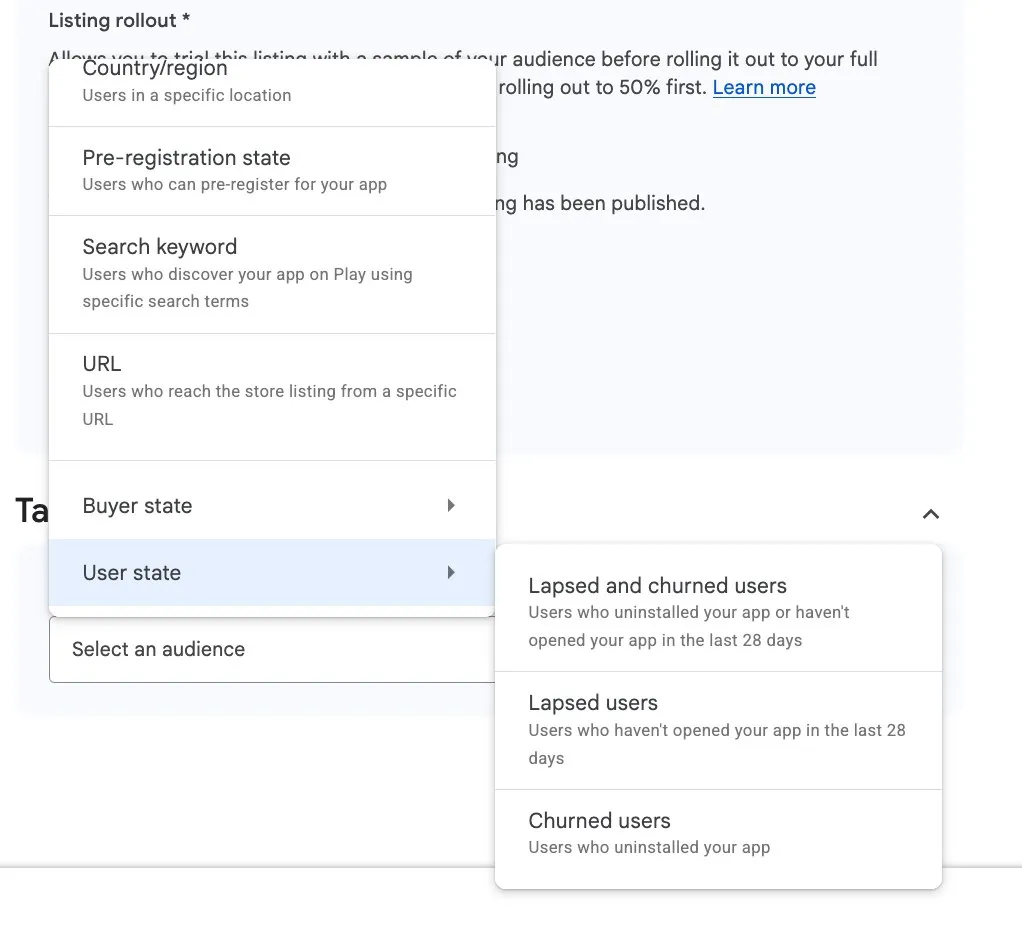
[Screenshot: image8.png – Play Console user state targeting]
Apple has introduced its first foldable device, the iPhone Duo, with both an outer and an inner display. For creative teams this means a new set of App Store screenshot specifications: the outer display takes 1398 × 2034 or 2034 × 1398 pixels, while the inner display takes 2007 × 2853 or 2853 × 2007 pixels. Teams preparing store listing creative should add this device profile to their pipeline ahead of the launch. The full list is in Apple's screenshot specifications.

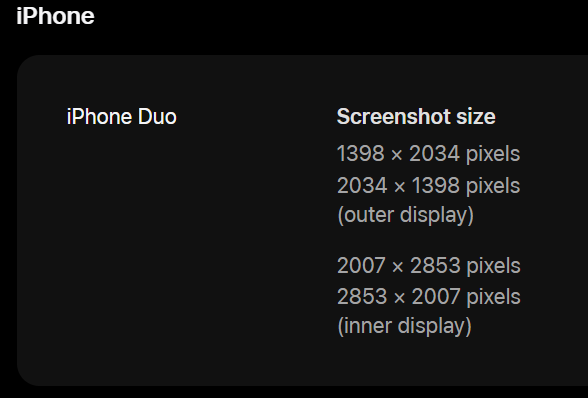
[Screenshots: image9.png and image10.png – iPhone Duo and its screenshot sizes]
According to 9to5Mac, citing Bloomberg's Mark Gurman, Apple is considering changes to the App Store aimed at reducing operating costs and increasing revenue. Among the measures under discussion are replacing part of the manual app review with automated checks, and raising the price of the Apple Developer Program, currently $99 per year.
These remain speculative scenarios: Apple has made no official announcement on either change. We flag it because a faster, automated review would change release cadences for everyone, and it is worth watching.
[Screenshot: image11.png – 9to5Mac report]
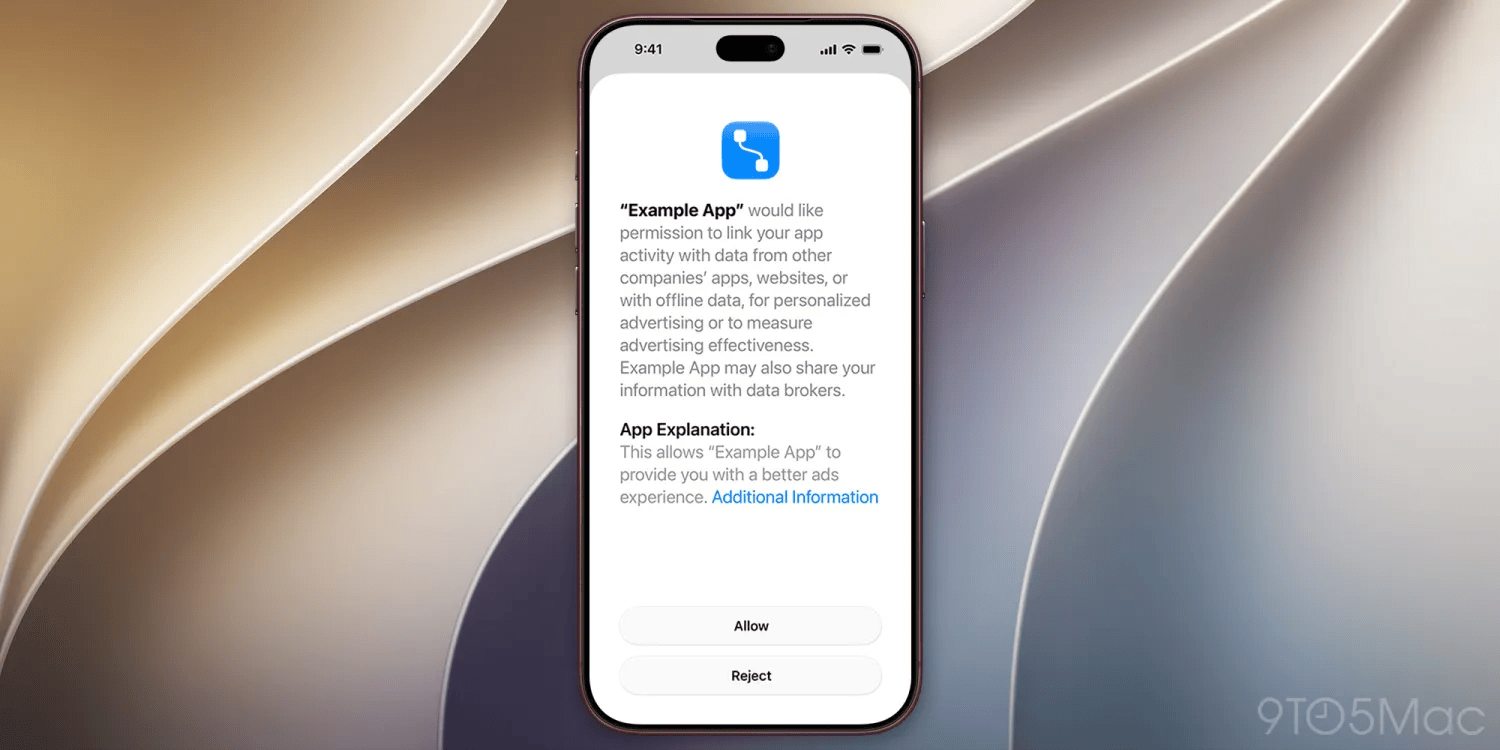
With iOS 27.2 and iPadOS 27.2, Apple is rolling out changes to ATT for the European Union. Developers get access to an alternative version of the tracking permission prompt, while the underlying rules for requesting permission stay the same. Per 9to5Mac, the alternative format becomes mandatory in Germany, France, Italy, Poland and Romania. The update also lets EU apps re-prompt users for tracking consent one year after their last response.
Two things to plan for. First, if you have users in the five mandatory countries, test the new prompt and its impact on opt-in rate before 27.2 ships widely. Second, the yearly re-prompt is a second chance at consent for users who said no: pair it with a pre-permission screen that explains the benefit, and track opt-in by cohort in your MMP.
[Screenshot: image12.png – Alternative ATT prompt for the EU]
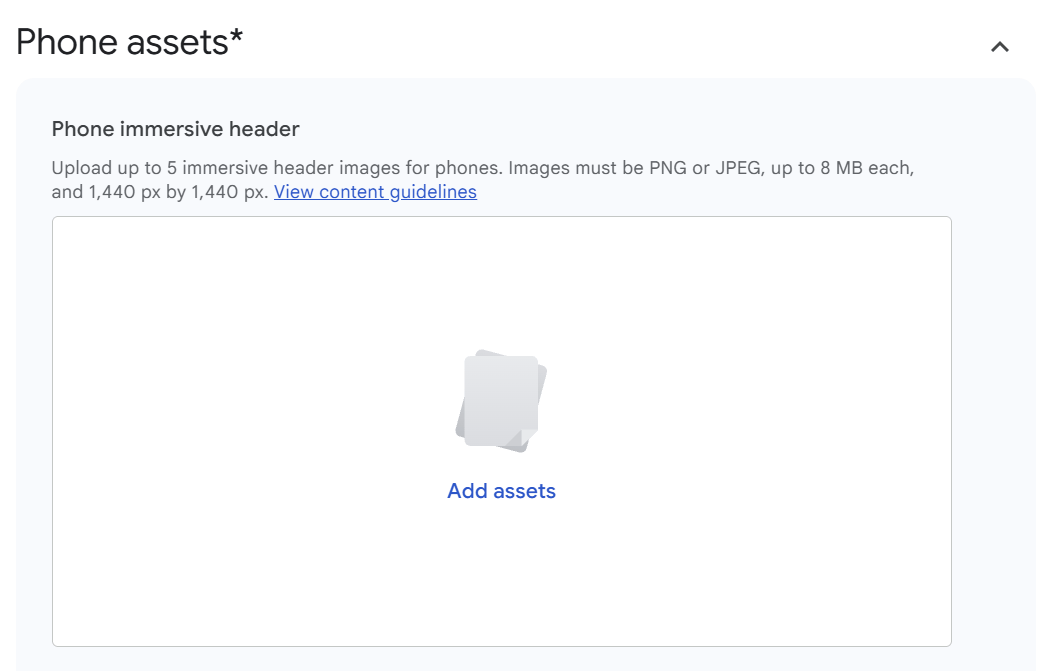
Google Play has quietly rolled out a new listing asset called the Phone immersive header, currently limited to a selected group of partners. Eligibility criteria and specifications are on Google's requirements page. If your app qualifies, it is a rare chance to own more of the listing's first screen; if not, keep an eye on it, since Play features that start as partner tests usually widen.
[Screenshot: image13.png – Phone immersive header on Google Play]
AppsFlyer now tracks AI-driven discovery, extending its organic attribution into Answer Engine Optimisation across eight AI engines and thirteen search engines, alongside new ChatGPT Ads attribution through OpenAI's Conversions API.
The signal is clear: AI discovery is no longer something marketers only watch, it is becoming measurable alongside SEO, ASO and paid acquisition. If your app is recommended by assistants today, you can finally see it in the same dashboard as your other channels, and start deciding whether it deserves a budget.
September's updates make one thing clear: the app marketing landscape is shifting on several fronts at once, from Apple's ATT and App Store changes to Google's evolving bidding logic and the rise of AI-driven discovery. Staying on top of them is what separates the teams that adapt quickly from those left playing catch-up.
If you'd like help working out what these updates mean for your app's strategy, get in touch with the Scalebay team. And for more app growth insights, ASO strategies and mobile marketing best practices, explore our blog.
.png)


.png)

%20(1).png)